
Build Reliability Before It Breaks
Today we dive into Preventive Maintenance Playbooks to Eliminate Unplanned Downtime, turning hard-won lessons into practical routines your crews can run with confidence. Expect clear steps, realistic examples, and tools to align planners, technicians, and leaders. Share your biggest disruption pain point in the comments, and we will tailor future guides, checklists, and templates to help you avoid repeat failures and protect production momentum.
Why Unexpected Stops Happen
Patterns Behind Failures
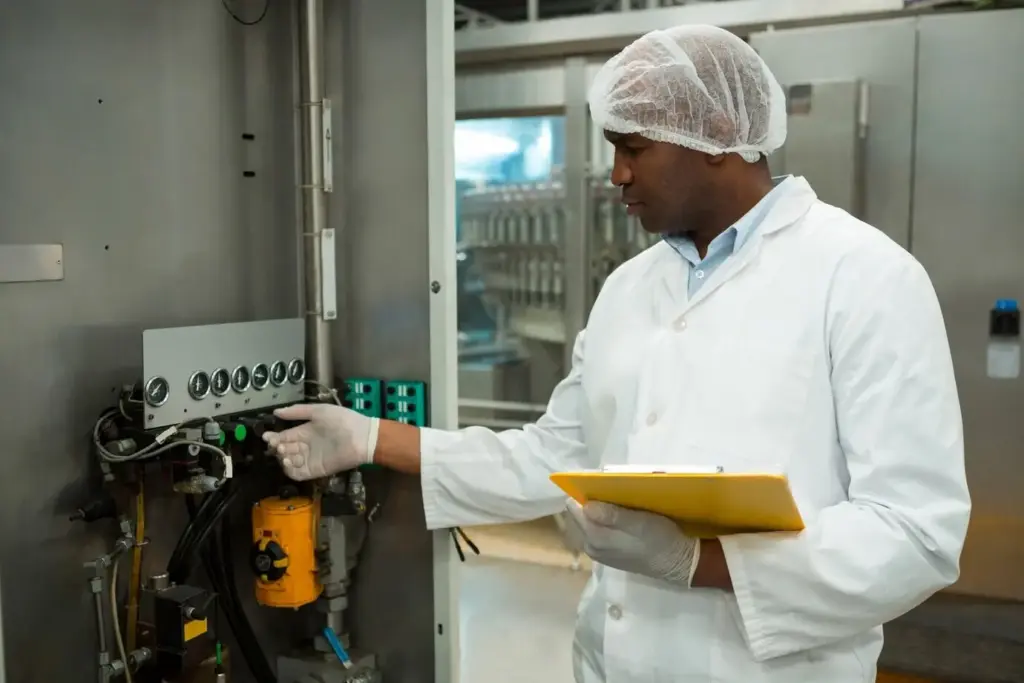
Most breakdowns follow recognizable patterns: infant mortality after changeovers, random stress-driven events, and predictable wear-out curves. By mapping these patterns to specific components and operating conditions, you can choose the right prevention tactics. Technicians contribute vital clues; planners translate them into steps; analysts verify trends. Together, the organization learns to see weak signals early and intervene before damage accelerates beyond recovery.
The Hidden Cost of Chaos
Unplanned stops drain far more than repair budgets. They erode trust, steal focus from improvement work, inflate overtime, risk safety shortcuts, and jeopardize customer commitments. When downtime becomes normal, teams normalize alarms and delay root cause analysis. Calculating lost throughput, expedited freight, and premium labor exposes the true stakes and strengthens the business case for disciplined routines that reduce surprises and sustain stable performance.
From Firefighting to Foresight
Escaping reactive cycles starts with small, visible wins: a standardized inspection that catches a loose coupling, a lubrication cadence that stabilizes temperature, a kitting approach that cuts waiting. Celebrate those wins, share the play, and scale thoughtfully. Over time, the organization shifts identity—from heroic fixers to predictable builders—anchored by routines that make the right action easier than improvisation under pressure.
Designing a Repeatable Maintenance System
Structure the Plays Clearly
Write each routine with an outcome-first mindset: objective, asset scope, triggers, required permits, tools, parts, skills, precise steps, tolerances, torque values, photos, and pass/fail checks. Include risk notes and escalation thresholds. End with documentation requirements. When every page answers what, when, who, how, and how to confirm, execution becomes predictable, training accelerates, and audits become learning opportunities instead of compliance theater.
Ownership, Roles, and Governance
Assign a single accountable owner for each routine, supported by a cross-functional RACI. Define who approves changes, how often reviews occur, and what evidence supports updates. Pair process ownership with field champions who test drafts, collect feedback, and keep instructions grounded in reality. This governance prevents drift, aligns incentives, and ensures continuous improvement flows through a controlled pipeline rather than scattered, undocumented tweaks.
Accessibility and Version Control
Store routines in your CMMS with clear version history, change notes, and effective dates. Use QR codes on assets to open the right instructions on mobile devices, even offline. Retire outdated documents visibly to avoid confusion. When technicians can instantly access the latest guidance, with photos and short videos, adherence rises, errors drop, and new employees ramp faster without shadowing for weeks on routine procedures.


Prioritizing with Criticality and Risk
Not every asset deserves the same attention. Prioritization protects capacity and safety while using resources wisely. Rank equipment by consequence of failure, probability, and detection capability, then choose interventions proportionate to risk. This approach focuses scarce planning time on the few systems that cause most disruption, while streamlining low-risk items with simplified routines, ensuring your preventive efforts deliver tangible availability improvements quickly.
Condition-Based Strategies That Deliver
Condition monitoring turns raw signals into timely actions that prevent damage. Start with sensors and inspections that target dominant failure modes, not trendy gadgets. Define thresholds, trend patterns, and escalation rules inside your CMMS so alerts trigger work automatically. Small pilots demonstrate value fast; scaling builds a reliable data foundation that helps teams intervene early without drowning in noise or false alarms.
Sensing What Truly Matters
Select technologies by failure mode: vibration for rotating imbalance or bearing defects, ultrasound for air leaks and electrical arcing, thermography for hot spots, oil analysis for wear particles and contamination, motor current for electrical stress. Pair instruments with operator rounds and tactile checks. The mix matters less than disciplined interpretation and timely action, turning measurements into early, confident decisions that extend asset life significantly.
From Data to Decisive Action
Define alarm levels, trend windows, and rate-of-change triggers aligned to real consequences. Pipe alerts into work orders with context: recent trends, photos, and recommended first checks. Track false positives and near-misses to refine thresholds. When data produces clear next steps, technicians respond faster, planners schedule smartly, and leaders see fewer surprises. The result is a calm, informed cadence rather than frantic, last-minute scrambles.
Pilot, Prove, and Scale
Choose one line or system, baseline performance, and run a ninety-day trial with tight feedback. Document prevented failures and time saved. If results hold, standardize the routine, train champions, and replicate to similar assets. Budget for sensors, training, and analytics time—not just hardware. Sustained success comes from disciplined follow-through, visible wins, and supportive leadership that protects time for analysis and continuous refinement.



People, Safety, and Culture
Sustainable reliability grows from skilled people who feel safe, respected, and empowered to improve the process. Invest in competency paths, mentoring, and cross-training. Bake safety into every step, not just separate checklists. Celebrate prevention wins publicly. Create fast feedback loops so technicians influence standards. When culture values learning over blame, small signals get reported early and catastrophic surprises become increasingly rare.
Measure What Matters and Improve Relentlessly
Meaningful metrics guide action, not punishment. Track availability, mean time between failures, mean time to repair, and planned work ratio. Pair numbers with stories from the floor. Use visuals that connect daily routines to outcomes leaders care about. Then experiment systematically, document lessons, and update standards. Progress compounds when measurement drives learning, not fear, and every improvement becomes the new baseline.

Reliability and Flow Metrics
Link asset availability, MTBF, MTTR, and failure counts to production output and quality. Monitor restart defects after maintenance to catch hidden issues. Use control charts to distinguish noise from signal. When measures illuminate true bottlenecks, leaders fund the right fixes, technicians see their impact, and the organization aligns around fewer, more effective interventions that demonstrably reduce surprises and stabilize performance.

Work Management Health
Track backlog age, ready-to-work percentage, plan accuracy, schedule compliance, wrench time, and emergency work share. These indicators reveal whether routines are executable and whether planning enables or hinders crews. Make the data visible at gemba boards. When process health improves, reliability follows, because well-prepared jobs get done on time, knowledge flows into standards, and urgent interruptions steadily recede into the background.